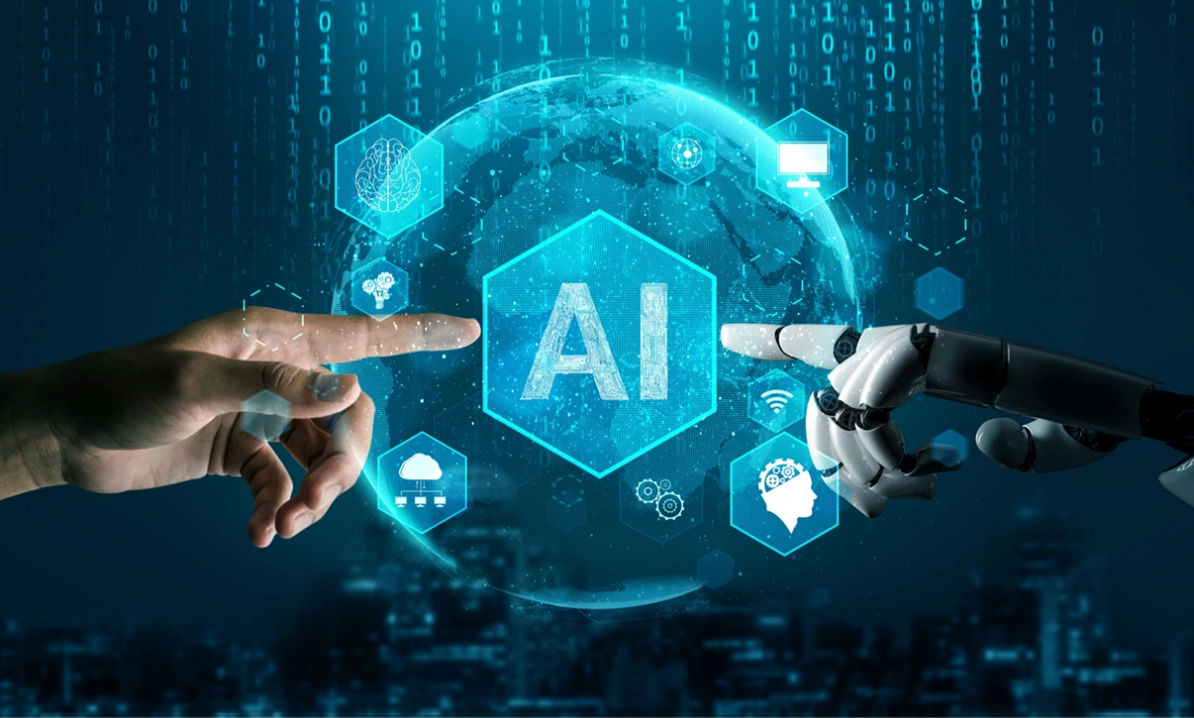
Building automation is evolving rapidly, and Artificial Intelligence (AI) is leading the transformation. From energy optimization to predictive maintenance and smarter operational control, AI is helping buildings become more efficient, sustainable, and responsive than ever before.
As modern facilities grow more complex, traditional automation systems are no longer enough. Businesses now require intelligent systems that can analyze data in real time, adapt automatically, and improve performance continuously — all while reducing operational costs.
Smarter Energy Management
One of the biggest advantages of AI-driven automation is energy efficiency. AI can analyze occupancy patterns, weather conditions, equipment performance, and energy consumption to optimize HVAC, lighting, and ventilation systems automatically.
This allows buildings to:
- Reduce unnecessary energy usage
- Lower operational costs
- Improve sustainability performance
- Maintain optimal indoor comfort
Instead of relying on fixed schedules, AI-enabled systems continuously learn and adjust based on real-time conditions.
Predictive Maintenance Reduces Downtime
Traditional maintenance often reacts to problems after they occur. AI changes this approach completely.
By monitoring equipment performance and analyzing operational data, AI can detect anomalies before failures happen. This predictive maintenance approach helps facility managers:
- Prevent costly breakdowns
- Extend equipment lifespan
- Minimize downtime
- Improve operational reliability
The result is a smarter, more proactive building infrastructure.
Data-Driven Decision Making
Modern buildings generate massive amounts of operational data every day. AI transforms this data into actionable insights.
From occupancy trends to system performance analytics, intelligent automation platforms help teams make faster and more informed decisions. Building owners and operators gain greater visibility into:
- Energy consumption
- Equipment efficiency
- Environmental performance
- Occupant comfort levels
This creates opportunities for continuous optimization and long-term cost savings.
Open and Flexible Automation Systems
The future of building automation is not locked into a single vendor or platform. AI works best within open, standardized systems that allow seamless integration across technologies.
Vendor-independent automation provides:
- Greater flexibility
- Easier scalability
- Improved interoperability
- Long-term investment protection
Businesses can adopt new technologies without being restricted by closed ecosystems.
AI is Shaping the Buildings of Tomorrow
As sustainability goals and operational demands continue to rise, AI-driven building automation will become an essential part of modern infrastructure
Intelligent systems are helping organizations create smarter buildings that are:
- More energy efficient
- Easier to manage
- More sustainable
- Better prepared for future demands
The future of automation is not just connected — it is intelligent.
At Cubus Verde, we believe AI-enabled delivery, open systems, and standardized solutions are the foundation for smarter and more efficient buildings. By combining innovation with practical expertise, we help businesses achieve more with less while preparing for the future of automation.